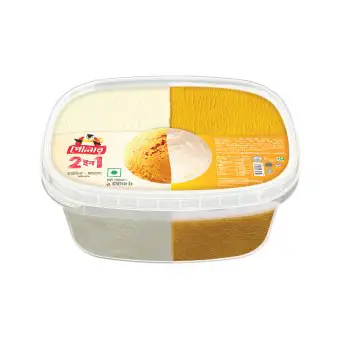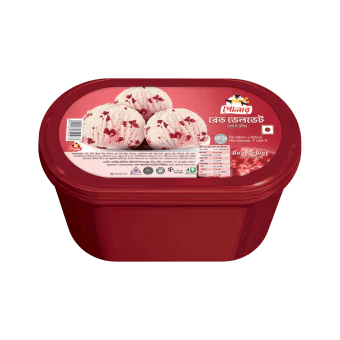


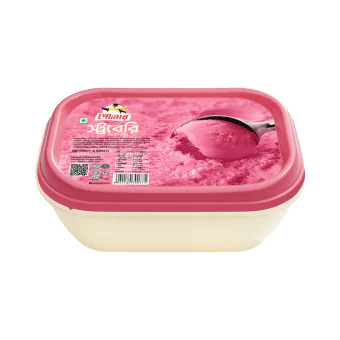
Coffee

Price Per Piece: ৳ 400
Carton Size: 1 pcs
Sales Unit: Piece

A superb combination of Coffee and Chocolate Chips creates the delicious Polar Coffee Ice Cream Tub, and therefore, becomes a part of your family happiness.

Unit Price: BDT. 400
Unit Weight: 1000 ml
Energy: 273.36 kcal (per 100 gram)

Categories: ,
Share:

Ingredients:  

Gelling Agents (INS 440),
Water, Sugar, Skimmed Milk Powder, Full Cream Milk Powder, Milk Fat, Vegetable Fat, Cocoa Mass, Cocoa Butter, Glucose, Whey Powder, Emulsifiers (INS 471, INS 466, INS 433, INS 322i), Stabilizers (INS 412, INS 407), Cocoa Powder, Roasted Coffee, Coffee Extract, Artificial Food Flavours (Cappuccino, Tiramisu, Butterscotch), Permitted Artificial Food Colours (INS 102, INS 110, INS 123, INS 133).

Nutritional Facts (Value per 100 g):

Major Nutrient Value Unit
Total Energy 273.36 kcal
Total Fat 14.93 g
Saturated Fat 7.00 g
Trans Fat 0.161 g
Protein 3.95 g
Carbohydrate 24.68 g
Sugar 15.90 g
Fiber 0.59 g
Salt 46.21 mg
Organic Acid 0.83 g


Allergen and Intolerance Ingredients:  

Milk Protein, Lactose and Soya (Lecithin)
Energy

Flavour

Polar is always committed to ensure top-quality ice cream preparation.

Sourcing of Ingredients:

Milk - the essential ingredient of ice cream manufacturing is sourced from Denmark, France, Turkey, Ireland, Czech Republic, Australia, New Zealand etc. countries. Chocolate is sourced from Singapore and Malaysia. Milk fat comes from Australia. Flavors are imported from Italy, France, Indonesia, Thailand, Singapore etc. countries. Sugar is sourced from Bangladesh and vegetable fat is sourced from Malaysia and Indonesia. Alu-sleeves sourced from Turkey, wooden sticks and paper-cups sourced from China, raw materials imported from Saudi Arabia and locally manufactured wrappers and tubs are used.

Quality Steps:

To achieve satisfactory levels of ice cream production at the plant, the following steps get implemented:

  • Totally ensuring that all the workers involved in the production are clean and healthy. Also, they are trained to improve their skills in maintaining quality control and production process.
  • Ensuring that only the highest quality ingredients are used.
  • Highest level of measures including quick-freezing, involved to preserve the products. So that the level of defects are at the minimum.
  • Using appropriate techniques and tools to process the ice cream.
  • Maintaining high standards of plant hygiene and sanitation.
  • Adopting proper distribution channels that will maintain high quality of the product.

Health Safety Standards for Ice Cream:

  • Physico-chemical analysis
  • Microbiological analysis
  • Sensory analysis
  • Texture profile analysis